How to Use Mylar Bags for Long-Term Food Storage
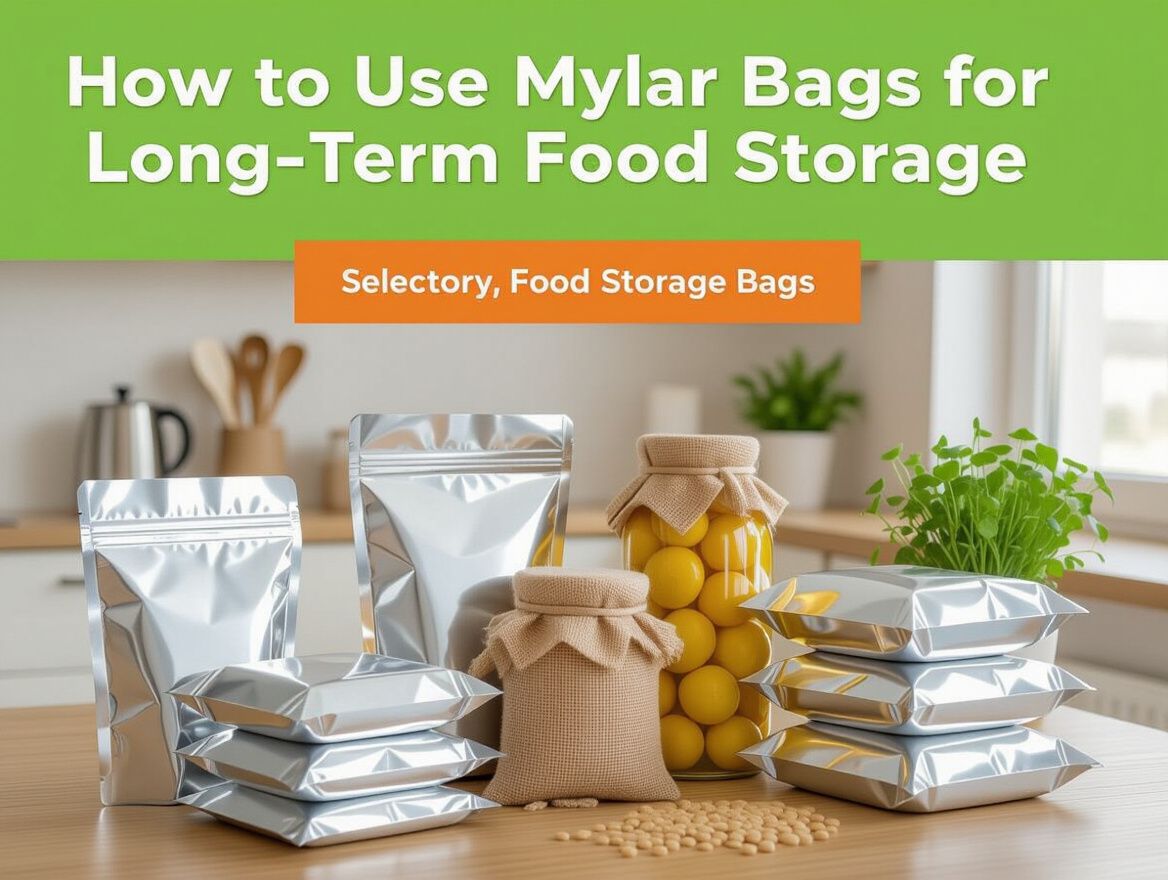
Understanding Mylar Bags for Long-Term Food Storage
Mylar bags are a popular choice for individuals looking to preserve food for extended periods. Made from a type of polyester film known as BoPET (Biaxially-oriented polyethylene terephthalate), Mylar bags are known for their strength, durability, and resistance to moisture, light, and air. This composition helps create a barrier that protects food from oxidation and spoilage, making them particularly effective for long-term food storage.
Benefits of Using Mylar Bags
- Extended Shelf Life: When sealed properly, Mylar bags can significantly prolong the freshness of various food items, often lasting years compared to traditional storage methods.
- Protection from Environmental Factors: Mylar bags shield food from light, moisture, and pests, reducing the risk of spoilage and contamination.
- Versatility: These bags can store a wide range of foods, including grains, dehydrated meals, and dried fruits, accommodating diverse dietary needs.
This article will explore effective strategies for using Mylar bags, including selection criteria, practical usage tips, and considerations to ensure your food remains safe and nutritious over time. By understanding the advantages and best practices of Mylar bags, you can make informed decisions for your long-term food storage needs.
Key Criteria for Long-Term Food Storage
When considering long-term food storage in Mylar bags, it's essential to evaluate several key criteria that can significantly impact the effectiveness of your food preservation efforts. Here’s a checklist of factors to guide your decision-making:
-
Food Types Suitable for Mylar Storage:
- Mylar bags are ideal for dry foods such as grains, legumes, powdered milk, and dehydrated fruits and vegetables.
- Avoid storing high-fat foods, as fats can go rancid over time, compromising the integrity of your stored items.
-
Importance of Oxygen Absorbers:
- Oxygen absorbers are crucial for preventing oxidation, which can lead to spoilage.
- Ensure to use the correct size and quantity of oxygen absorbers based on the volume of food stored in the Mylar bags.
-
Sealing Methods and Techniques:
- Proper sealing is vital for maintaining an airtight environment. You can use a heat sealer or an iron to seal the bags securely.
- Always check for any pinholes or imperfections after sealing, as these can allow air to enter and diminish the shelf life of your food.
By focusing on these criteria, you can enhance your long-term food storage strategy using Mylar bags, ensuring that your food remains safe and edible for extended periods.
Trade-Offs and Limitations of Mylar Bags
While Mylar bags are popular for long-term food storage, they come with certain trade-offs and limitations that potential users should consider before committing to this method.
-
Durability Concerns and Puncture Risks: Mylar bags are designed to be strong and resistant to moisture and light. However, they are not completely immune to punctures. Sharp objects or rough handling can compromise the integrity of the bags, leading to potential spoilage. It's crucial to handle them carefully and store them in a safe environment.
-
Impact of Temperature and Humidity on Storage: Mylar bags perform best in stable, cool, and dry conditions. High temperatures or humidity can affect the efficacy of the bag's barrier properties, potentially allowing air and moisture to seep in, which can lead to food degradation. Ensure that your storage area maintains an optimal climate for long-term preservation.
-
Comparison to Other Storage Methods: While Mylar bags offer excellent protection against light, moisture, and air, they are not the only option for long-term food storage. Other methods, such as vacuum sealing or using airtight containers, may provide different benefits, such as easier access to food or better protection against physical damage. Consider your specific needs—such as the types of food being stored and how frequently you access them—when deciding if Mylar bags are the best fit.
By weighing these trade-offs, you can make a more informed decision about whether Mylar bags are the right solution for your long-term food storage needs.
Step-by-Step Guide to Using Mylar Bags
Using Mylar bags for long-term food storage can significantly extend the shelf life of your food. This guide outlines the essential steps to effectively prepare, fill, seal, and store food in Mylar bags, ensuring optimal preservation.
Preparation of Food for Storage
Before placing food in Mylar bags, it's crucial to prepare it properly:
- Choose the Right Foods: Mylar bags are ideal for dry foods such as grains, beans, pasta, and dehydrated fruits or vegetables. Avoid storing high-moisture foods unless they are adequately dried.
- Portion Control: Divide food into portions that you will use at one time. This minimizes the need to reopen multiple bags, which can expose the contents to air and moisture.
- Pre-Freezing: For items like nuts or grains, consider pre-freezing for 24 hours to kill any potential pests before sealing.
Filling and Sealing Mylar Bags
Once your food is prepared, follow these steps for filling and sealing:
- Fill the Bags: Use a funnel to fill Mylar bags, leaving about 3-5 inches of space at the top. This allows room for sealing and prevents spillage.
- Remove Air: Before sealing, it's essential to remove as much air as possible. You can use a vacuum sealer or manually press out air, but ensure the bag remains intact.
- Seal the Bags: Use a heat source (like a flat iron or a dedicated sealer) to seal the bags. Ensure the seal is complete and free from wrinkles, as this ensures an airtight closure.
Storage Conditions and Monitoring
Proper storage conditions are key to maintaining the integrity of food stored in Mylar bags:
- Store in a Cool, Dark Place: Mylar bags should be kept away from light, heat, and humidity. Ideal storage conditions include a temperature range of 50-70°F.
- Monitor for Damage: Periodically check the bags for any signs of damage, such as punctures or leaks. If a bag is compromised, consider transferring the contents to a new Mylar bag.
- Labeling: Always label your bags with the contents and the date of storage. This practice helps track the age of your food and ensures you use items before they reach their best-by dates.
By following these steps, you can effectively utilize Mylar bags for long-term food storage, ensuring your food remains fresh and safe for an extended period.
Frequently Asked Questions About Mylar Bags
When considering long-term food storage in Mylar bags, it's common to have questions regarding their use and effectiveness. Below are answers to some frequently asked questions that can help clarify any concerns.
Can Mylar bags be reused?
Mylar bags are generally designed for single-use, especially when they have been sealed with an oxygen absorber. Once opened, they may not provide the same airtight seal needed for optimal food preservation. If you use them for dry goods and ensure they are cleaned and properly resealed, they might serve a second purpose, but the effectiveness could be compromised.
What is the shelf life of food stored in Mylar bags?
The shelf life of food stored in Mylar bags can vary significantly based on the type of food and storage conditions. Generally, foods like grains and legumes can last 20-30 years when stored properly in Mylar bags with oxygen absorbers. However, foods with higher fat content, like nuts, may only last 1-2 years. Always consider the specific food type when estimating shelf life.
How do Mylar bags compare to vacuum-sealed bags?
Mylar bags and vacuum-sealed bags both aim to extend the shelf life of food, but they do so in different ways:
- Oxygen Barrier: Mylar bags provide a superior barrier to light, moisture, and oxygen, making them ideal for long-term storage.
- Sealing Method: Vacuum-sealed bags remove air but may not offer the same level of protection against light and moisture as Mylar.
- Cost and Usage: Mylar bags can be more cost-effective for bulk storage, while vacuum-sealed bags are often easier for smaller, everyday use.
Understanding these differences can help you make informed decisions based on your specific food storage needs.
Final Thoughts on Long-Term Food Storage with Mylar Bags
Utilizing Mylar bags for long-term food storage offers a range of benefits, but careful consideration is essential for effective use. These bags provide an airtight seal, protecting food from moisture, light, and oxygen, which are critical factors that can lead to spoilage. Here are some key points to keep in mind:
- Benefits: Mylar bags are lightweight, durable, and resistant to punctures. They can significantly extend the shelf life of various food items when used correctly.
- Considerations: Ensure that the bags are properly sealed and that suitable desiccants are included to absorb any residual moisture. Additionally, the bags should be stored in a cool, dark place to maximize their effectiveness.
- Trade-offs: While Mylar bags are excellent for dry goods, they may not be suitable for all food types, particularly those that are high in fat, as these can go rancid over time.
For those exploring Mylar bags for food storage, it's advisable to conduct thorough research to understand the specific needs of your food items and the best practices for using Mylar bags effectively. Consider experimenting with different storage methods and monitoring the results to find the most efficient approach for your long-term food preservation goals.
By weighing these factors, you can make informed decisions that enhance your food storage strategies and ensure your provisions remain safe and edible for extended periods.